Virtual Reality On Mobile Devices Current State
Imagine being able to transport yourself into a completely different environment, all from the small device sitting in your pocket. The technology behind virtual reality on mobile devices is rapidly maturing, shifting from a gimmicky novelty into a more accessible and refined experience for everyday users. While we are not yet at the stage of fully immersive, life-like simulations, the progress made over the last few years has been nothing short of impressive, setting the stage for even greater advancements in how we interact with digital content.
The Evolving Landscape of Virtual Reality on Mobile Devices
The journey started with simple, inexpensive cardboard viewers, where the smartphone acted as both the processing engine and the display screen. Early adopters were thrilled simply by the novelty of achieving a 360-degree view, even if the pixel resolution and tracking latency left much to be desired. Those initial, somewhat clunky experiments helped set the vital foundation for understanding what is actually possible when you combine increasingly high-powered mobile processors with lightweight, portable optics.
Today, the landscape for virtual reality on mobile devices is far more diverse and capable than it was just a few years ago. We have seen a clear shift away from basic attachments toward more sophisticated applications and browser-based experiences that leverage the full, raw power of modern handsets. While standalone headsets have taken center stage for dedicated enthusiasts, the smartphone remains a crucial piece of the puzzle, acting as the primary bridge for millions of people to experience digital environments on the fly.
Hardware Advancements Driving Performance
The massive, consistent leaps in smartphone hardware have been the single biggest contributor to the improved experience we see today. Modern chipsets are now powerful enough to render complex, high-resolution graphics in real-time without immediate overheating issues that plagued older models. These powerful processors work alongside advanced graphics engines to ensure that user movements feel responsive and look smooth, which is essential for preventing motion sickness.
Display technology has also come a long way, with high-definition OLED screens now becoming the industry standard. These screens provide the high pixel density necessary to significantly reduce the infamous screen-door effect that plagued earlier, more primitive headsets. When combined with improved internal gyroscopes and accelerometers, the tracking accuracy is now much more reliable and precise than it was only a few years ago.
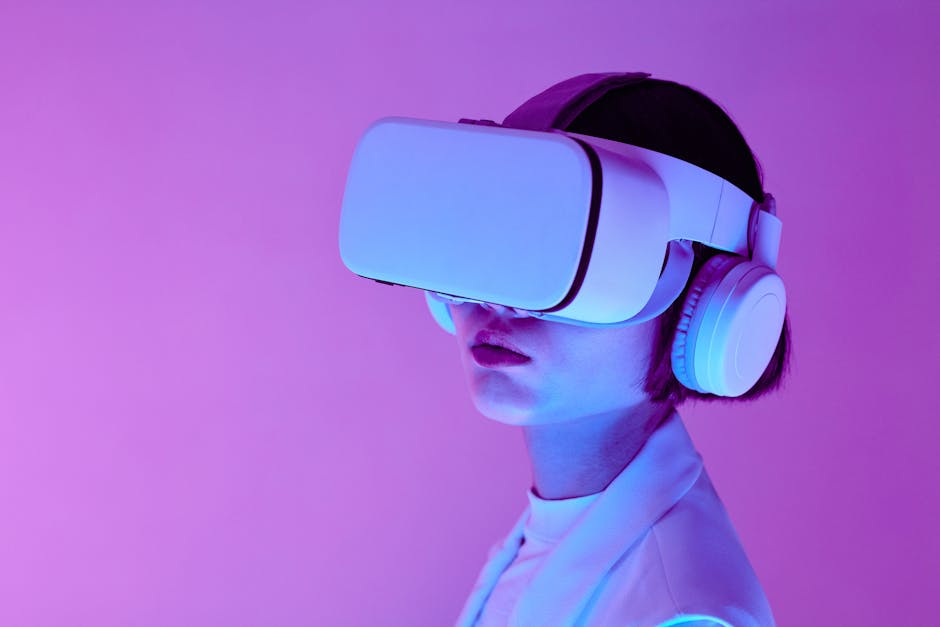
Expanding Access Through Content Ecosystems
Accessibility is the main reason why mobile platforms remain so attractive for developers and users alike compared to expensive dedicated hardware. Because almost everyone already owns a capable smartphone, the barrier to entry is virtually non-existent, creating a massive potential audience. Developers are now creating a wide range of content tailored specifically for this hardware, making it easier than ever to dive into immersive experiences with minimal friction.
Many platforms now focus on browser-based solutions that do not require massive downloads or usage of specialized app stores. This approach allows users to access interactive content directly through their standard mobile web browsers without extra setup. Popular content types currently gaining traction include:
- 360-degree educational videos that take users on guided tours to historical sites or natural landmarks.
- Casual gaming experiences specifically designed for short, quick bursts of entertainment while on the go.
- Interactive virtual tours that provide immersive previews for the real estate and tourism industries.
- Meditation and wellness applications that utilize calming, immersive visual environments to reduce stress.
The Unmatched Convenience Factor
The primary advantage of using a smartphone for these immersive experiences is simple, unmatched convenience. Dedicated VR headsets are often bulky, require cumbersome setup processes, and can be intimidating for newcomers who just want a quick experience. With mobile solutions, you can simply pull your phone out, mount it into a lightweight, portable holder, and start your chosen experience within seconds.
This extreme portability means you are not tied to a single room, a desk, or a complex PC setup to enjoy the tech. You can easily take your immersive experience with you on the go, making it perfect for traveling, commuting, or showing friends interesting content quickly. It transforms your daily device into a versatile, powerful tool for both entertainment and practical, everyday applications.

Technical Hurdles and Current Limitations
Despite the rapid advancements, serious technical limitations persist that keep mobile solutions from completely replacing high-end, dedicated equipment. The most significant challenge continues to be heat management, as running high-performance graphics pushes the phone’s processor to its absolute limit. Extended sessions often lead to the device throttling its own performance to cool down, which results in frustrating frame rate drops and noticeable stuttering.
Battery life remains another critical bottleneck that developers and manufacturers still struggle to effectively overcome. Sustaining high-resolution rendering while simultaneously tracking head movements consumes a significant amount of power, draining a fully charged phone in a relatively short time. These persistent issues mean that mobile-based immersion is currently best suited for shorter, lighter experiences rather than lengthy, deep-dive gaming sessions.
Looking Toward the Future of Immersive Tech
The path forward for mobile-driven immersion lies in the successful convergence of cloud computing technology and improved, more efficient local hardware. By offloading the heavy, intensive computational work to powerful, distant remote servers, phones can deliver higher fidelity graphics without draining local battery or generating excessive heat. This shift will likely unlock more complex, visually demanding, and longer-lasting experiences on standard hardware.
Furthermore, we are beginning to see more focus on augmented reality (AR) features that intelligently blend digital content with the real world around us. This hybrid approach allows developers to create experiences that do not require total visual isolation, making them more practical for daily use. As these technologies mature, our smartphones will continue to play a pivotal, central role in shaping how we interact with digital realities in our everyday lives.
