The Basics Of Smartphone Camera Aperture And Depth Field
Decoding the mechanics behind your photos
Ever wonder why some photos make your subject pop while others look a bit flat? Understanding the relationship between smartphone camera aperture and depth of field is the secret to elevating your mobile photography game. These two technical elements are the silent architects of every compelling shot you take on your phone.
Aperture refers to the opening in the lens that allows light to pass through to the camera sensor. Meanwhile, depth of field describes how much of your photo is in sharp focus, ranging from a tiny sliver to everything in the frame. Grasping how they work together lets you move beyond simple snapshots and into genuine artistic expression.
Understanding how aperture works in your device
Think of the aperture as the pupil of a human eye. When it is wide open, a lot of light floods into the sensor, which is ideal for darker environments. When it narrows down, less light enters, allowing for greater control over exposure in bright scenarios.
Most modern smartphones use a fixed aperture, which means the physical hole size does not change like it does on traditional camera lenses. Instead, engineers choose a specific aperture setting that provides the best balance for everyday shooting. This choice significantly impacts how your camera captures detail and handles different lighting conditions.
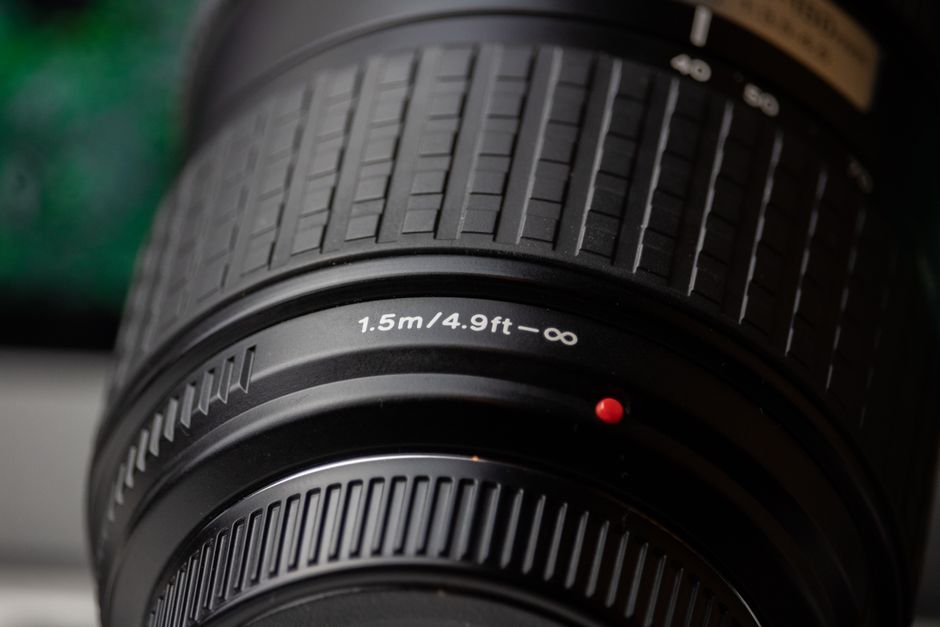
How light interacts with your sensor
A wider aperture setting, often represented by a lower f-number like f/1.7 or f/1.8, is a massive advantage in low light. It allows your camera to gather more data without needing to boost the sensor sensitivity, which can introduce digital noise. This results in cleaner, sharper images even when you are shooting in a dimly lit restaurant or at sunset.
On the flip side, shooting in very bright sunlight with a wide aperture can sometimes lead to overexposure. The camera software works hard to balance this by adjusting shutter speed and processing. Knowing this helps you understand why your phone might struggle or excel in specific lighting environments.
The magic of depth of field
Depth of field is the creative tool that dictates what your viewer focuses on first. A shallow depth of field creates that beautiful, creamy blurred background known as bokeh, which isolates your subject from a distracting environment. This effect is a hallmark of professional photography and adds immediate polish to your portraits.
A deep depth of field ensures that everything from the foreground to the distant horizon remains crisp. This is crucial when you are shooting sweeping landscapes or architectural shots where detail is everything. Balancing these effects is fundamental to directing the eye of the person looking at your images.

Mastering smartphone camera aperture and depth of field
Because most smartphone lenses are physically small, they naturally produce a deeper depth of field than large-sensor cameras. This is why it can be challenging to get a natural-looking blurred background when taking photos of small objects close up. The physics of small sensors simply keeps more of the image in focus.
You can influence this by getting physically closer to your subject while keeping the background further away. This simple technique amplifies the natural separation and helps create a more pleasing, shallower effect. It is all about manipulating the distance between the camera, the subject, and the background to your advantage.
How software makes the difference
Computational photography has completely changed the game for mobile devices. Modern phones use sophisticated algorithms and machine learning to simulate the effects of a larger aperture. Portrait mode is the most common example, where the camera maps the depth of the scene and intelligently blurs the background.
This software-based approach allows you to achieve stunning results that were previously only possible with expensive equipment. While it is not physically changing the lens opening, it mimics the smartphone camera aperture and depth of field relationship perfectly. It is a powerful hybrid of hardware capability and software ingenuity.

Tips for better artistic photography
To take your photography to the next level, experiment with how your phone perceives distance and light. Understanding these principles helps you decide when to use standard modes and when to rely on portrait features. Keep these simple strategies in mind for your next photo session:
- Get closer to your subject to maximize natural background blur.
- Tap on your subject on the screen to ensure the focus is locked exactly where you want it.
- Use portrait mode when you want to simulate a wider aperture and create that professional look.
- Observe how lighting changes the appearance of focus and background details in different scenarios.
- Experiment with different angles to see how they change the depth of field in your composition.
Photography is a journey of constant learning and experimentation. By playing with these settings and observing how they alter your images, you will develop a better eye for composition. Your photos will quickly reflect this newfound understanding of light and focus.