Why Multi Lens Camera Systems Are Standard On Modern Smartphones
The Evolution of Modern Smartphone Photography
Mobile photography has undergone a massive evolution over the past decade. It seems like only yesterday that we were satisfied with a single, mediocre camera on the back of our phones. Now, we expect professional-grade results from devices that fit comfortably into our pockets, making multi lens camera systems an essential standard in modern design.
The transition from a single lens to complex camera arrays was not just a marketing trend but a necessary response to physical limitations. As users demanded higher quality, clearer images, and more versatility, manufacturers had to find clever ways to pack more capability into thinner devices. This shift has redefined how we capture our daily lives, travel memories, and professional content.
The Physics and Constraints of Mobile Optics
Modern smartphones are marvels of engineering, but they face a fundamental problem related to space and thickness. Manufacturers prioritize designs that are slim, sleek, and easy to hold, but high-quality lenses typically require significant depth to focus light correctly. Putting a massive, traditional lens on a smartphone would make it bulky, fragile, and entirely impractical for everyday use.
Instead of trying to force one perfect lens to handle every situation, engineers adopted a modular approach. By utilizing multiple smaller lenses, each optimized for a specific task, they maintain a slim device profile while vastly increasing the overall photographic capabilities. This design philosophy is the primary reason why your current smartphone can handle everything from sweeping landscapes to intimate, tight close-ups with ease.
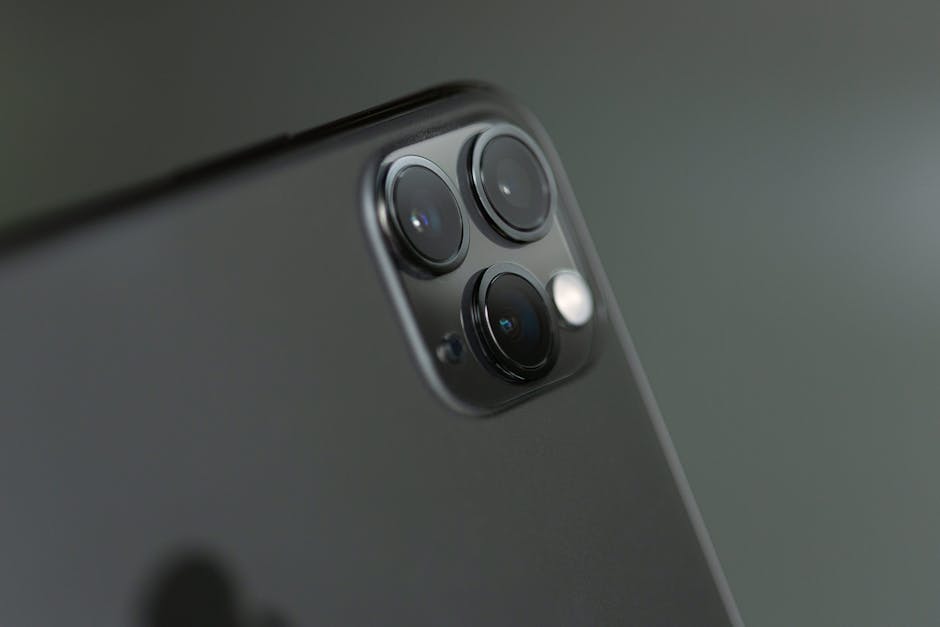
Why Multi Lens Camera Systems Offer Versatility
The primary advantage of multi lens camera systems is the ability to offer genuine optical versatility. By dedicating specific optics to distinct roles, phones can bypass the traditional pitfalls of digital zoom and cropping. Rather than using one lens that struggles to do everything poorly, these systems assign specialized glass to handle specific photographic scenarios, ensuring each shot benefits from dedicated hardware.
When you switch between lenses, you are not simply applying a filter; you are physically selecting the best tool for the job. This architecture allows for significantly higher image quality compared to attempting to zoom or crop from a single, standard lens. When you utilize a dedicated telephoto or ultrawide lens, you are capturing data using the full resolution of the corresponding sensor, which preserves essential clarity, sharpness, and color accuracy.
Focal Length Diversity and Perspective
Different lenses offer different focal lengths, which fundamentally change how you interact with a scene. The ultrawide lens allows for dramatic, expansive shots that capture immense vistas, perfect for architecture and landscapes. Conversely, the telephoto lens enables you to reach subjects that are physically distant without needing to move, which is invaluable for candid photography or events.
Having this range built into the device encourages creativity and experimentation. Here are some of the primary lenses commonly found in these setups:
- Wide Angle: The primary lens used for most everyday shots, balancing resolution and light intake.
- Ultrawide: Ideal for capturing large groups, stunning landscapes, or small indoor spaces.
- Telephoto: Provides optical zoom capabilities to bring distant subjects closer without losing quality.
- Macro: Designed to focus on incredibly small objects from just a few centimeters away.

The Synergy of Computational Photography
Hardware is only half the story, as these multiple lenses work in perfect harmony with sophisticated computational photography. The phone’s processor takes data from all available lenses simultaneously, merging them to create a better final image than any single lens could produce alone. This process happens instantly, often without the user realizing the intense workload occurring in the background.
For instance, when taking a portrait, the system might use the primary lens for subject detail while utilizing the telephoto lens for better depth perception. This combination helps the phone accurately distinguish between the subject and the background, enabling precise, natural-looking bokeh effects. The software stitches these perspectives together to simulate the look of a expensive DSLR lens, achieving professional quality on a consumer device.
Enhancing the User Experience Through Simplicity
While the underlying technology of these camera arrays is incredibly complex, the user experience is designed to be as simple as possible. Modern camera apps provide a seamless transition between these different lenses with a single tap. There is no need to manually swap physical lenses, change settings, or understand the underlying optics to get a great result.
This ease of use is critical for mobile photography, where capturing a fleeting moment is often more important than manual control. The camera interface automatically detects the subject and lighting conditions, often suggesting or automatically switching to the best lens for the scenario. This intelligent automation empowers users of all skill levels to take fantastic photos without requiring deep technical knowledge.
The Future of Mobile Optical Technology
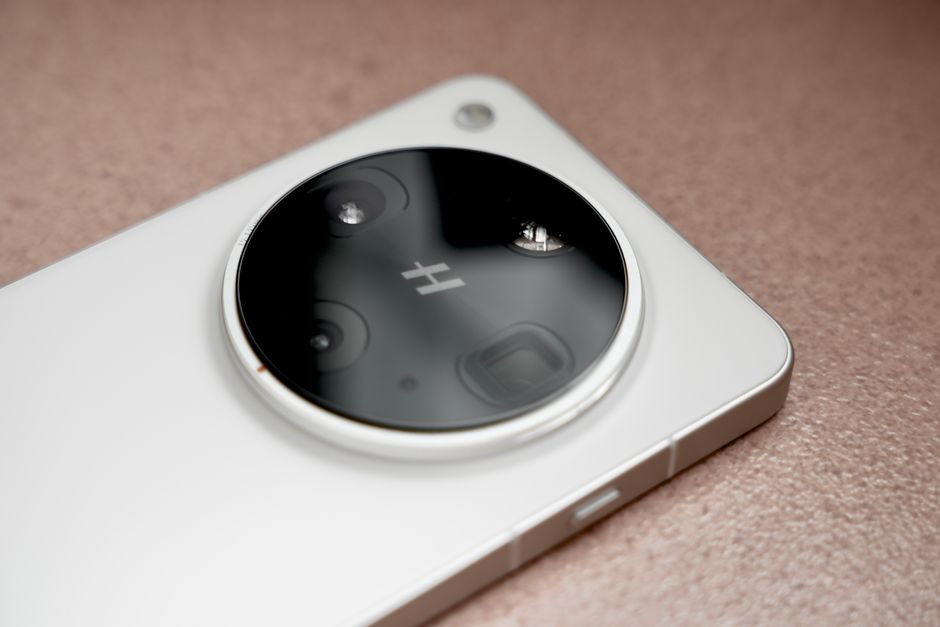
As we look ahead, the integration of these camera systems is only expected to improve. Manufacturers are constantly refining sensor technology, lens coatings, and the AI algorithms that power image processing. The goal remains the same: delivering desktop-level photographic quality in a device that fits in the palm of your hand.
We can expect to see even more specialized lenses and deeper integration between hardware and software in upcoming generations. These advancements ensure that the smartphone will continue to be the primary camera for most people, consistently pushing the boundaries of what is possible with mobile imaging. The era of the multi-lens system is firmly established, and it continues to evolve rapidly.