The History Of Imaging Technology From Reconnaissance To Social Media
From Bird’s-Eye Views to Infinite Scrolling: A Visual History
The story of how we capture, share, and experience our world has undergone a radical transformation. What began as a strategic tool for high-altitude reconnaissance has morphed into the ubiquitous imaging technology that powers our modern social media landscape. This evolution has redefined not just how we document our lives, but how we understand our collective history.
By tracing this path, we gain insight into why visual communication has become the dominant language of our time. From bulky, chemically-intensive cameras to the sensors in your pocket, every leap forward has brought us closer to a world where a single image can travel across the globe in milliseconds.
The Early Days of Reconnaissance
Before cameras were tools for artistic expression or capturing dinner, they were essential instruments for gathering intelligence. During the 19th century, photographers were sent to the front lines of conflict to document reality in a way that hand-drawn maps never could. This marked the beginning of specialized imaging technology designed to observe, record, and inform distant commanders about enemy movements.
This reconnaissance heritage laid the groundwork for aerial photography, which pushed the boundaries of what was physically possible to see. Whether using hot air balloons during the American Civil War or early airplanes in the following decades, the goal was simple: get higher to gain a strategic advantage. These efforts established the fundamental principle that seeing clearly from a distance is a transformative power.

The Camera Revolution: Democratizing the Lens
For a long time, the ability to create an image was locked behind technical complexity and high costs. The introduction of accessible film cameras in the early 20th century shattered these barriers, turning photography into a mainstream hobby rather than a niche profession. Suddenly, people were not just observers; they were active participants in documenting their own environments.
This shift changed the cultural role of photographs. Families began creating visual archives of their daily lives, turning snapshots into a primary medium for memory retention. The technological advancements during this period focused on shrinking the gear while increasing the quality, making photography an integrated part of everyday existence.
The Impact of Digital Imaging Technology
The transition from analog film to digital sensors remains perhaps the most significant turning point in the history of visual media. This shift allowed for the immediate review of images, eliminating the lengthy process of film development and printing. It also fundamentally changed how data was stored, manipulated, and distributed, setting the stage for the digital revolution.
Digital imaging technology essentially turned light into data, which meant that images could now be treated like any other computer file. This created a profound transformation in how photographers approached their work. Key benefits included:
- Immediate feedback enabled faster learning and experimentation with composition.
- Images could be edited, filtered, and color-corrected without needing a darkroom.
- Storage capacities allowed for capturing thousands of images without the cost of film rolls.
- High-speed digital transfer replaced physical media for sharing visual information.

The Smartphone as a Universal Tool
Once cameras became small enough to be integrated into phones, the barriers to capturing high-quality images vanished completely. The smartphone turned every individual into a mobile observation unit, blurring the line between professional photography and casual documentation. Connectivity was the final piece of the puzzle, allowing these devices to bridge the gap between capture and instant publication.
This era fundamentally altered the public perception of reality and event documentation. Now, major news stories are often reported via images and video from witnesses on the ground before traditional media can even arrive. The camera is no longer a separate piece of equipment we carry; it is an extension of our digital selves.
Social Media and the Culture of Sharing
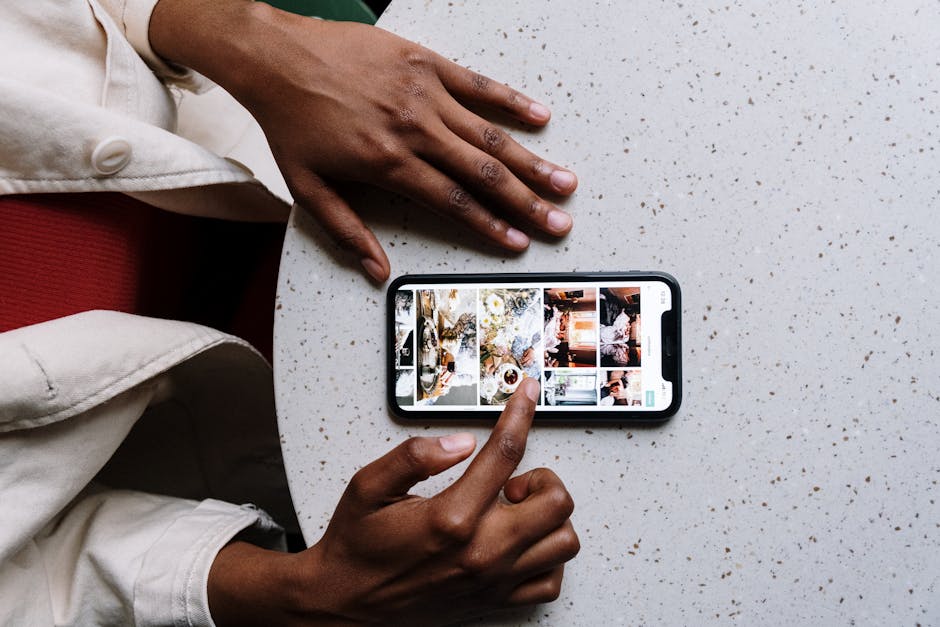
Social media platforms took this newfound capability and built entire economies around the instant consumption of visual content. These networks are optimized for fast-paced interaction, rewarding images that are striking, relatable, or timely. The feedback loop of likes, comments, and shares has created a new social currency rooted entirely in visual output.
This shift has had complex consequences for society, changing how we present our lives and interact with the experiences of others. While it fosters global connection, it also encourages a curated approach to reality. The visual landscape of social media is constantly evolving, driven by algorithms that prioritize engagement above all else.
Looking Ahead: The Future of Visual Reality
As we look forward, the next phase of imaging technology is moving beyond the flat, two-dimensional screen. Augmented reality (AR) and virtual reality (VR) are set to reshape our environments, blending digital information with our physical surroundings. We are transitioning from a culture of just "seeing" images to a culture of experiencing simulated environments.
Artificial intelligence is also playing a massive role in how images are created and manipulated. From advanced computational photography that enhances quality to entirely AI-generated imagery, the definition of what constitutes a "photograph" is becoming more fluid. These tools will continue to evolve, making the future of imaging both more immersive and increasingly difficult to distinguish from reality.