The Impact Of Haptic Feedback On Immersion
Bringing Digital Experiences to Life
Imagine playing a high-stakes video game where every explosion, every footstep, and every subtle interaction isn't just seen on screen but felt through the controller in your hands. This sensory bridge is exactly where the impact of haptic feedback on immersion truly shines. It transforms passive observation into an active, tactile experience, bridging the gap between digital worlds and our physical reality.
For many years, visual and auditory quality took center stage in technology development, pushing graphics toward photorealism. However, relying solely on sight and sound leaves a significant part of the human experience untapped: the sense of touch. By incorporating haptic technology, creators are finally finding the missing link to complete our digital presence.
When you feel a response from a device, your brain registers the digital event as something tangible. This simple addition makes virtual objects feel solid and gives weight to virtual actions. It is a powerful psychological tool that dictates how deeply a user engages with their device.
Understanding the Impact of Haptic Feedback on Immersion
At its core, the impact of haptic feedback on immersion is about grounding digital interactions in reality. When users receive tactile confirmation of an action, the barrier between the user and the software becomes thinner. This feedback loop creates a sense of presence that audio and video alone cannot replicate.
Consider the difference between typing on a glass touchscreen and a physical keyboard. The resistance and click of a physical key provide instant, satisfying confirmation that you have pressed the button correctly. Haptic technology aims to bring that same level of tactile assurance to digital interfaces, making them feel less abstract and more intuitive.
Without this physical connection, digital environments often feel shallow or distant. Haptic technology anchors these experiences, tricking our brains into believing that the digital interactions are real-world events. This profound shift is essential for true engagement in modern digital platforms.
The Science of Tactile Connection
Our brains are wired to interpret the world through multiple senses working in unison. When we interact with an object, we rely heavily on touch to determine texture, resistance, and impact. When technology fails to account for this, the disconnect is noticeable, leading to lower levels of engagement.
Haptic feedback works by simulating the physical sensations we expect when interacting with the real world. By utilizing small actuators like vibration motors or piezoelectric sensors, devices can create specific patterns of movement. These patterns mimic the feel of a button press, a collision, or even a changing texture on a screen.
This stimulation triggers the somatosensory cortex in the brain, which processes touch-related information. When this part of the brain is activated in sync with visual and auditory cues, the resulting experience is far more convincing. The brain does not need a perfect physical simulation; it only needs enough cues to bridge the gap.
Transforming Gaming and Virtual Reality
Gaming has been the primary driver for haptic innovation, and for good reason. In a fast-paced game, reacting to tactile information is often faster than waiting for a visual indicator. Feeling the recoil of a weapon or the rumble of a car engine provides immediate information that changes how players approach challenges.
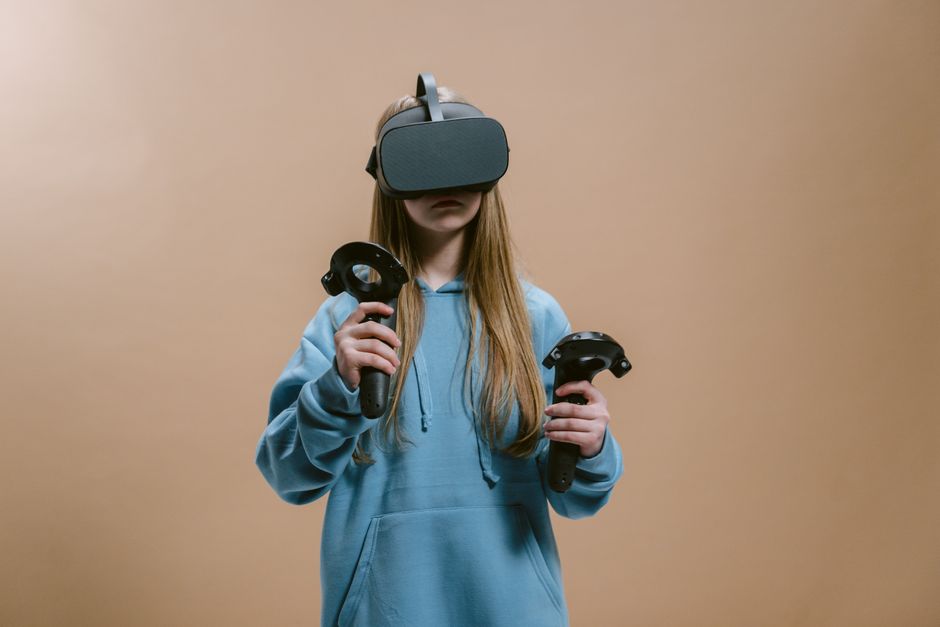
In Virtual Reality (VR), the need for tactile feedback is even more acute. Without it, your hands pass through virtual objects like ghosts, which immediately shatters the illusion of presence. Modern VR controllers and haptic suits are solving this by simulating the feeling of holding objects or experiencing impacts.
This level of tactile detail makes the difference between watching a virtual world and living within it. When you feel the vibration of a virtual environment around you, your body naturally reacts more strongly. This deeper physiological response is what separates a good gaming experience from an unforgettable one.

Practical Applications Beyond Gaming
While gaming gets most of the attention, the benefits of haptic feedback extend far beyond entertainment. In the automotive industry, for example, haptic steering wheels can alert drivers to lane departures without requiring them to look away from the road. This keeps eyes focused on traffic, improving safety significantly.
Medical training is another field being revolutionized by tactile technology. Surgeons practicing on virtual patients need to feel the resistance of human tissue to develop the necessary muscle memory. Haptic feedback allows them to practice complex procedures in a risk-free environment while gaining realistic experience.
Even in daily smartphone use, haptic technology plays a crucial role in usability. Subtle vibrations confirm successful logins, message deliveries, or alarm settings, allowing users to interact with their devices without constant monitoring. These small interactions build trust and reduce the mental load on the user.
Future Developments in Sensory Tech
We are still in the early stages of what is possible with tactile technology. Current solutions often rely on simple vibrations, but the future points toward high-definition haptics that can simulate complex textures. Researchers are developing materials that can change their shape or surface friction on demand.
Imagine a future where you can feel the warmth of a digital fabric or the rough texture of a stone wall in an online store. As this technology matures, the way we shop, learn, and socialize online will change fundamentally. The experience will move from flat screens to multisensory digital environments.
The convergence of better actuators, lighter materials, and smarter software will enable more nuanced sensory experiences. We will likely see haptics integrated into wearable tech more seamlessly, making the digital world feel as tangible as the physical one. The goal is to make the technology disappear while the experience remains.

How Developers Can Use Haptics Effectively
For creators, the key is using haptic feedback to enhance the user experience without becoming distracting. Too much vibration can be jarring and actually decrease user comfort. It requires a thoughtful approach to ensure that every sensation feels natural and meaningful.
Here are several strategies for implementing effective haptic feedback in your applications:
- Use context-aware cues: Ensure the intensity and duration of the feedback match the action on screen. A heavy impact should have a stronger, longer vibration than a subtle menu interaction.
- Focus on subtle feedback: Often, the best haptics are the ones users don't consciously notice but feel inherently. Aim for gentle pulses rather than overwhelming rumbling.
- Allow user customization: Provide options for users to adjust the intensity of haptic feedback or turn it off entirely based on their preferences.
- Test with diverse users: Sensory perception varies greatly between individuals, so testing with a wide range of users is crucial to find the right balance.
By focusing on these principles, developers can leverage tactile technology to create deeper, more satisfying connections between users and their digital products. The goal should always be to amplify the experience, making the digital interaction feel like a seamless extension of the user's intent.