Why The Invention Of Gunpowder Triggered A Revolution In Strategy
The Dawn of a New Era in Conflict
Before the widespread adoption of gunpowder, warfare was a slow, deliberate game dominated by heavy cavalry and nearly impenetrable fortifications. The battlefield was a place where knights showcased individual prowess and long sieges defined success or failure. Everything shifted when this explosive technology arrived, fundamentally altering the way nations approached conflict. It is no exaggeration to say that the invention of gunpowder triggered a revolution in strategy that completely dismantled the existing social and military order of the Middle Ages.
The transition was not merely about a new weapon, but about the total restructuring of military thought. Leaders could no longer rely on the static defenses that had protected their ancestors for centuries. This shift forced military minds to abandon outdated practices and embrace a new, more dynamic approach to projecting power. The consequences of this change reached far beyond the battlefield, reshaping the very foundations of the state.
The End of Medieval Fortifications
For centuries, the castle was the ultimate symbol of security. High, thin stone walls allowed defenders to withstand attacks for months, often neutralizing larger invading forces. This dominance of the defense made it incredibly difficult for monarchs to consolidate power, as local lords remained largely self-sufficient behind their ramparts.
When cannons began shattering those stone ramparts, that balance shifted drastically. It was not just about the structural damage, but the psychological impact on defenders who realized their ultimate protection was now obsolete. This technological advancement forced a fundamental rethink of tactical defense that rippled through every level of society, leading to the creation of lower, thicker fortifications designed to withstand sustained bombardment.
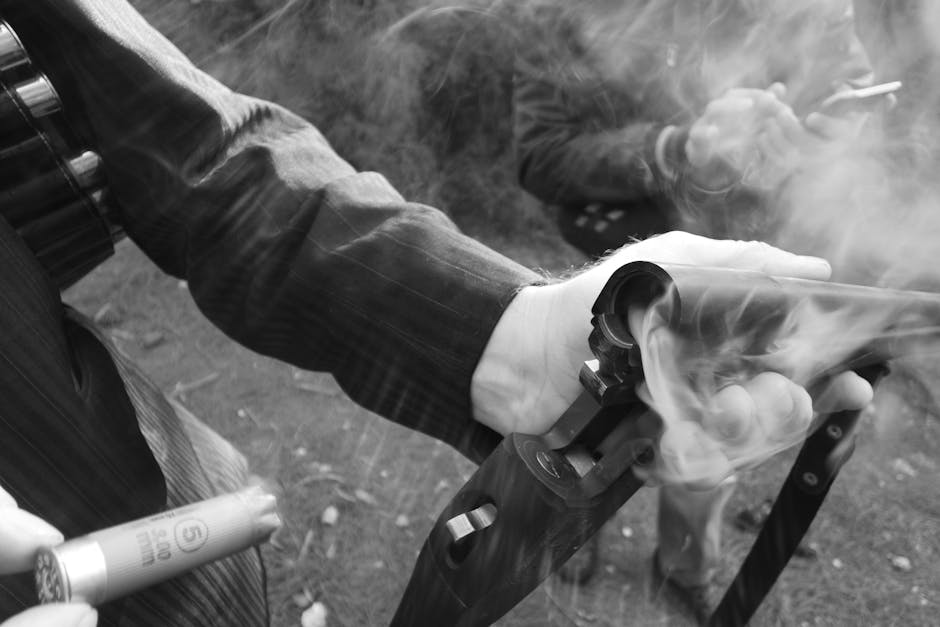
How the invention of gunpowder triggered a revolution in strategy
The introduction of firearms and artillery completely altered how commanders thought about the battlefield. Instead of waiting for a slow, months-long siege to resolve itself, leaders could now force a decisive outcome in a single, high-intensity engagement. This change moved the primary focus from long-term endurance to aggressive, coordinated movement and superior technical firepower.
Warfare was no longer just about who had the sturdiest wall or the most loyal local knights. It became a technical challenge, requiring mastery over artillery, infantry formations, and logistics. This evolution meant that military victory required smarter, more complex planning rather than just reliance on brute strength or traditional chivalry.
Professionalizing the Military Machine
The rise of gunpowder technology necessitated a shift away from disorganized feudal levies. Operating cannons and muskets required specialized knowledge, consistent training, and disciplined teamwork that peasant farmers simply could not provide. This led to a significant transformation in military recruitment and organization.
- Need for specialized training to operate cannons and early firearms.
- The rise of permanent, professional armies over decentralized feudal levies.
- Increasing centralized control as monarchs consolidated power over their territories.
- The development of standardized military drills to ensure reliability under fire.
The transition from peasant armies to standing forces fundamentally changed the relationship between the ruler and the ruled. Monarchs needed reliable, consistent tax bases to fund these expensive new weapons and the soldiers to operate them. This process naturally pushed societies toward stronger, more centralized government structures.

The Economics of Explosive Power
The high cost of maintaining a gunpowder-based military meant that only the wealthiest states could effectively project power. Smaller, decentralized territories struggled to keep up with the ballooning costs of artillery, gunpowder production, and trained infantry. This economic reality accelerated the consolidation of smaller kingdoms into much larger nation-states.
Warfare became a massive financial endeavor that dictated the health and stability of national economies. This immense pressure forced leaders to innovate not just in battle, but in governance. Managing debts, taxation, and supply logistics became as important as battlefield tactics. If a state could not manage its finances, it effectively lost the ability to fight.
Changing the Battlefield Dynamic
The battlefield itself became a much more lethal and unforgiving environment. Combat was no longer a personal contest of skill between two armored knights but a calculated deployment of long-range firepower. Infantry soldiers armed with muskets could now effectively neutralize heavy cavalry, rendering older tactics useless.
This reality required commanders to develop new ways to organize their troops to maximize firepower and minimize exposure to enemy volleys. Coordinated lines, disciplined volleys, and highly flexible formations replaced the chaotic, individualistic charges of the past. The precision of the modern battlefield became a matter of complex engineering, timing, and strict operational discipline.

A Lasting Impact on Modern Power
The legacy of this strategic shift is still visible in the structure of the world today. The absolute need for organized, state-backed military power defined the path of European empires for centuries and set the template for modern defense policy. Nations today prioritize technological dominance and logistical superiority in ways that trace their roots directly back to this era.
Understanding this shift helps us appreciate how deeply technology can alter human behavior and social structures. It was not just about the destructive potential of the powder, but how that power demanded entirely new ways of organizing, funding, and commanding society. Gunpowder truly rewrote the rulebook, and its influence remains embedded in the core of strategic planning.