The Influence Of Artificial Intelligence On Modern Transportation Systems
Intelligent Traffic Flow and Urban Planning
AI algorithms now analyze vast streams of data from sensors, cameras, and connected devices to predict traffic congestion long before it gridlocks our streets. By dynamically adjusting signal timings based on immediate traffic density, these smart systems significantly reduce idle time at intersections, which directly lowers vehicle emissions and improves the daily experience for millions of drivers.
Urban planners increasingly rely on sophisticated predictive modeling to simulate how proposed road layouts, new transit lines, or expanded bike paths will impact city-wide movement patterns. This approach enables local governments to make data-driven decisions that prioritize efficiency over reactive fixes, ensuring that infrastructure investments are placed where they will generate the greatest public benefit for years to come.
The Rise of Autonomous Vehicles and Smart Navigation
Self-driving cars represent perhaps the most widely recognized application of artificial intelligence on modern transportation systems, leveraging advanced computer vision and machine learning to navigate complex urban environments. These sophisticated vehicles process incredible amounts of sensory data in milliseconds, allowing them to make split-second decisions that consistently outperform human reaction times, ultimately paving the way for safer roads.
Beyond personal consumer vehicles, autonomous technology is aggressively moving into trucking and long-distance delivery services. These platforms are designed to operate with high precision around the clock, potentially alleviating chronic labor shortages while simultaneously optimizing long-haul transport routes to maximize fuel economy and reduce carbon footprints across the supply chain.
Predictive Maintenance for Safer Travel
Aircraft, trains, and massive freight fleets are increasingly equipped with specialized IoT sensors that monitor crucial performance metrics in real time. Machine learning models analyze this constant stream of operational data to detect subtle anomalies, often flagging potential component failures long before they transform into critical safety hazards that could disrupt travel.
This proactive maintenance strategy means far fewer unexpected breakdowns and substantially reduced downtime for essential transit services. Travelers benefit from increased reliability and fewer delays, while commercial operators see significant cost savings by repairing or replacing components precisely when needed, rather than relying on a rigid and often inefficient preventative maintenance schedule.
Revolutionizing Public Transit and Shared Mobility
Ride-sharing services and expansive urban bus fleets are using AI to match rider demand with vehicle supply more accurately and efficiently than ever before. Algorithms analyze historical and real-time rider patterns to optimize routes dynamically, ensuring that public transit services are available where and when commuters actually need them most, rather than on static, outdated schedules.
The daily user experience is drastically improved through integrated mobile applications that provide highly accurate, real-time arrival estimates and suggest the most efficient travel combinations across different modes of transit. Travelers no longer have to guess if a bus is coming or how long a trip might take. This increased transparency builds trust in public transit systems and encourages more people to move away from private car usage. Key benefits for the public include:
- Reduced waiting times at stations and bus stops during peak travel hours.
- Improved accessibility and reliability for passengers living in historically underserved areas.
- More efficient utilization of transit vehicles, which helps to significantly reduce total operating costs for municipal authorities.

Optimizing Logistics and Supply Chain Networks
The immense complexity of global logistics relies heavily on the ability to anticipate and circumvent disruptions before they escalate. AI-driven platforms continuously analyze countless variables, from shifting weather patterns to sudden geopolitical changes, to reroute global shipments instantaneously, ensuring that products arrive as efficiently and safely as possible despite unpredictable challenges.
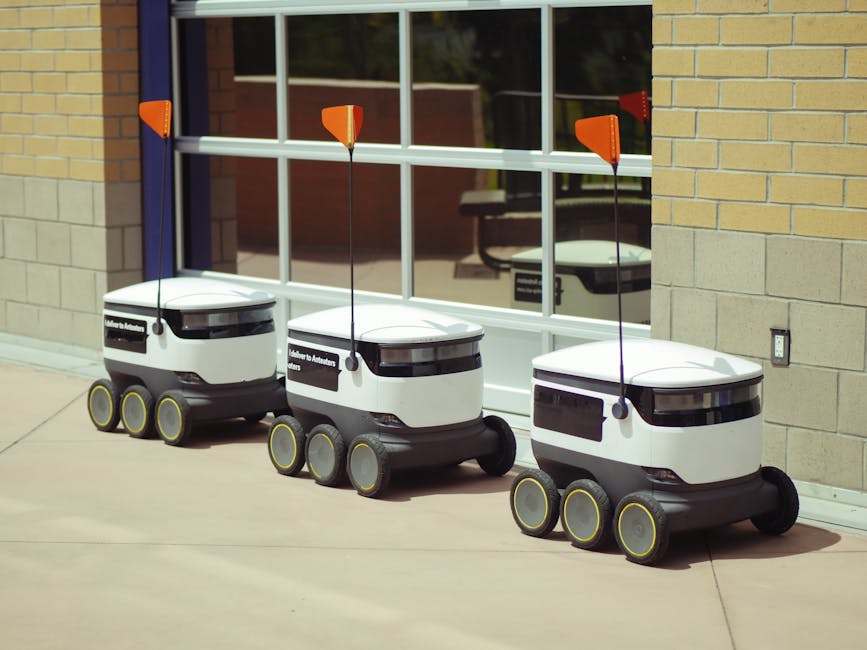
Warehouse automation and last-minute delivery optimization are also experiencing a major boost from these highly intelligent systems. Smart robots and advanced algorithmic route planners now handle much of the heavy lifting and intricate logistics, drastically reducing the margin of human error in order fulfillment processes while increasing the speed of delivery to end consumers.
Addressing Challenges and Looking Ahead
Implementing these highly advanced technologies requires a massive, sustained investment in modern infrastructure and a robust, unwavering focus on cybersecurity protocols. Protecting essential transport networks from sophisticated and malicious digital threats is absolutely paramount, as these systems become increasingly interconnected and deeply reliant on centralized data streams for their day-to-day operations.
Regulatory frameworks must also evolve rapidly to keep pace with this constant innovation, ensuring that stringent safety and privacy standards are met without inadvertently stifling progress. The journey ahead involves a delicate, ongoing balance between rapid technological adoption and the necessary ethical considerations surrounding data privacy, system liability, and the long-term societal impact of these changes.
