The Long Term Future Of Artificial Intelligence In Healthcare
Transforming Patient Care Through Innovation
Imagine a world where your doctor knows you are getting sick before you even feel a cough. The long term future of artificial intelligence in healthcare is steering us toward exactly this kind of proactive, personalized experience. Rather than reacting to illnesses after they appear, technology is shifting the focus entirely toward prediction and prevention.
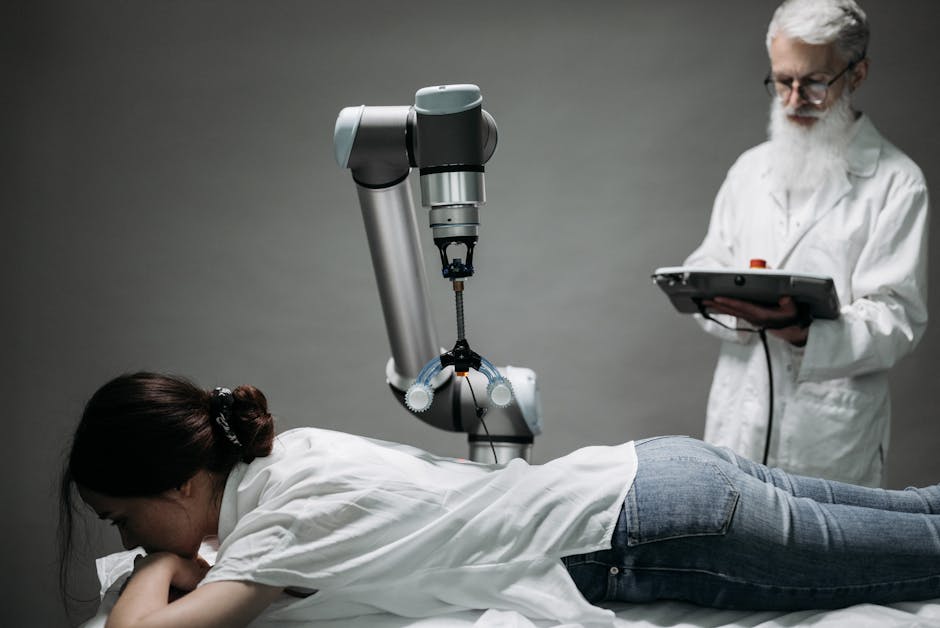
The rapid evolution of machine learning models is changing how data is analyzed in clinical settings. This transformation is not about replacing human experts but augmenting their capabilities to improve outcomes. As tools become more sophisticated, the potential to enhance patient care across all stages of life is immense.
The Promise of Precision Medicine
Think of medicine tailored specifically to your genetic makeup, lifestyle, and environmental factors. AI can process massive amounts of biological data to identify exactly which treatments will work best for your specific biology while avoiding those that are ineffective. This precision replaces the traditional "one-size-fits-all" approach, significantly reducing harmful side effects and maximizing treatment success rates.
Beyond choosing the right medication, this level of personalization allows for customized preventive care plans. By analyzing your unique health profile, AI can suggest dietary or lifestyle adjustments that mitigate your specific risk factors for chronic conditions. This level of insight makes it possible for individuals to take ownership of their long-term health in a more informed way.
Predictive Diagnostics and Early Intervention
Artificial intelligence is becoming incredibly adept at spotting subtle patterns in medical imaging, pathology slides, and routine test results that the human eye might overlook. By identifying these early warning signs, physicians can intervene long before a condition becomes critical or irreversible. This paradigm shift moves medical practice from managing advanced chronic illness to stopping diseases before they take deep root.
For example, AI models can flag early indicators of neurological decline, cancer, or cardiovascular events based on subtle longitudinal data trends. When these insights reach a physician early, the options for treatment are often simpler, less invasive, and more effective. This proactive detection is one of the most significant contributions AI offers to long-term patient wellness.
Accelerating Drug Discovery
Developing new pharmaceuticals is typically a slow, expensive, and high-risk process that spans many years and requires billions in investment. AI algorithms are now simulating complex molecular interactions and predicting the success of potential drug candidates far faster than traditional trial-and-error lab testing ever could. This dramatically shortens the time required to bring life-saving treatments to market.
The ability to model how a drug will behave in the human body also helps researchers screen out failures early. This efficiency means that resources can be directed toward compounds with the highest probability of success. Consequently, the pipeline of available therapies for rare and complex diseases is likely to expand rapidly in the coming decades.

The long term future of artificial intelligence in healthcare and Operational Efficiency
Hospitals and clinical practices often struggle with overwhelming administrative burdens, complex scheduling nightmares, and inefficient resource allocation. AI can automate these essential processes, freeing up medical professionals to spend far more quality time with their patients. This operational transformation will be fundamental in making high-quality healthcare more accessible, timely, and affordable for communities everywhere.
Administrative tasks, from processing insurance claims to managing patient records, consume a massive amount of clinician time. By intelligently automating documentation and streamlining administrative workflows, AI reduces burnout and allows doctors to focus on clinical care. This efficiency is critical for sustaining healthcare systems as global demand for services continues to rise.
Empowering Patients Through Remote Monitoring
Wearable devices are already tracking our heart rate, sleep quality, and physical activity levels, but this is only the very beginning. These advanced tools feed real-time, high-fidelity data into intelligent systems that can alert both patients and doctors to concerning shifts in health trends instantly. This continuous monitoring enables individuals to manage their health more actively and precisely between traditional office visits.
The data generated by these devices can also be used to create personalized health feedback loops. When patients have a clearer understanding of how their daily habits impact their long-term vitals, they are more motivated to make healthier choices. This constant, gentle feedback creates a more collaborative environment between the patient and their care team.
- Early detection of cardiac arrhythmias or respiratory issues
- Automatic medication reminders based on health status
- Customized lifestyle recommendations to prevent chronic disease
- Reduced frequency of unnecessary hospital readmissions

Keeping the Human Element in the Loop
While AI can crunch numbers and spot patterns faster than any person, it cannot replace the deep empathy, nuance, and ethical judgment that human doctors provide. The ideal path forward involves AI acting as a powerful, intelligent assistant rather than a complete replacement for human expertise. This partnership ensures that technology supports clinical decisions rather than making them in a vacuum.
Ethical guidelines must prioritize patient privacy, data transparency, and algorithmic fairness as these systems become more integrated into our lives. Protecting the integrity of patient data is paramount, as is ensuring that these models do not perpetuate existing healthcare biases. Maintaining robust human oversight ensures that technology remains a tool for healing rather than an impersonal barrier.
Preparing for a Transformed Landscape
As AI systems continue to evolve, the medical field must proactively adapt to new clinical workflows and technological skill sets. Education for healthcare providers is already changing to ensure that future practitioners can effectively collaborate with these sophisticated AI tools. Navigating these changes will require a thoughtful balance between embracing innovation and protecting the core values of the doctor-patient relationship.
The path toward this automated future is one of constant learning and refinement. Success will depend on fostering trust between technology developers, medical professionals, and the patients they serve. By keeping these relationships at the heart of innovation, the potential for a healthier, more proactive world is well within reach.