The Impact Of Wartime Engineering On Modern Household Convenience
When you pop a meal into the microwave or pull a durable, stain-resistant fabric from your closet, you are experiencing the long-term results of intense global conflict. It is easy to take these comforts for granted, but much of what defines our current domestic life has deep roots in the pressure of the 1940s. Understanding the impact of wartime engineering on modern household convenience reveals how necessity driven by survival created lasting solutions for our daily chores.
Innovation during the mid-twentieth century was not just about weaponry or logistics; it was about efficiency. Manufacturers needed to produce more with less, leading to breakthroughs that eventually trickled down into every living room and kitchen. Today, our homes are filled with these legacies, often disguised as simple, everyday appliances.
From Rationing to Rapid Production
Wartime rationing forced families to get creative, but it also demanded that factories reinvent how they manufactured consumer goods. To meet the massive demands of the military, industrial engineers refined assembly line techniques to become faster and more precise. These same methods were later applied to mass-producing home appliances that previously were luxuries for the wealthy.
The shift from custom-made items to standardized, affordable products fundamentally changed the consumer landscape. Once the war ended, these streamlined production lines turned their focus toward washing machines, stoves, and refrigerators. This transition made the modern, fully equipped home a realistic goal for average families, forever altering the standards of household comfort.
Wartime Research and Food Preservation
Keeping soldiers fed in diverse climates around the globe required a revolution in food technology. Research into dehydration and improved canning methods ensured that perishables could survive long journeys without losing all their nutritional value. These techniques directly inspired the way we stock our modern pantries with long-lasting, convenient meals.
Freezing technology also saw massive improvements to prevent spoilage on the front lines. These advancements allowed for the later development of the home freezer, which transformed grocery shopping habits and meal preparation. We moved away from shopping daily for fresh produce toward stocking up, freeing up significant time in our daily routines.
- Improved canning techniques ensured reliable food supply lines.
- Advanced dehydration methods allowed for lightweight, stable food storage.
- Techniques for rapid freezing stabilized supplies in harsh environments.
- Refined packaging materials kept food fresher for longer periods.

Communication Breakthroughs at Home
Radar development during the war relied heavily on high-frequency radio waves, which eventually led to the accidental discovery of microwave heating. Scientists noticed that energy from these transmitters could rapidly warm objects, leading to the creation of the magnetron. This technology became the cornerstone of the microwave oven, one of the most significant tools for fast meal preparation in the modern house.
Beyond cooking, the wartime push for radio communication spurred miniaturization in electronics. As vacuum tubes were replaced by smaller components, the bulky radios of the past evolved into the compact, portable devices we enjoy today. This trend paved the way for the constant connectivity and entertainment options that define our current living spaces.
Advancements in Materials and Plastics
The need for durable, lightweight materials on the battlefield drove intense research into synthetic alternatives. Scientists developed new types of plastics, synthetic rubber, and durable nylon to replace scarce natural resources. Once these materials reached the civilian market, they completely transformed the composition of household items.
Think about the sheer amount of plastic in a modern home, from storage containers to cleaning supplies and insulation. These materials are cost-effective, durable, and versatile, making them ideal for everyday use. Without that intense push to engineer synthetic materials, our kitchens and utility rooms would look entirely different, relying on heavier, more expensive materials like metal or wood.

Understanding the Impact of Wartime Engineering on Modern Household Convenience
Looking closely at the impact of wartime engineering on modern household convenience shows how logistical challenges were turned into domestic ease. The military approach to organizing supplies and optimizing space was adapted by architects and interior designers during the post-war housing boom. This resulted in more functional kitchens and clever storage solutions that continue to maximize efficiency in smaller, modern dwellings.
The emphasis on ergonomics also started gaining traction, as engineers focused on how soldiers interacted with machines. Designers began applying these principles to domestic appliances, ensuring that stoves, sinks, and workspaces were safer and less fatiguing to use. This focus on human interaction with technology remains a primary consideration in how we build and furnish our homes today.
Lessons in Efficient Home Management
Beyond the hardware, the war instilled a cultural emphasis on efficient home management that persisted for decades. With many family members joining the workforce, managing a household became a logistical exercise similar to managing supply lines. This mindset drove the adoption of time-saving devices, emphasizing the need for appliances that could handle multiple tasks simultaneously.
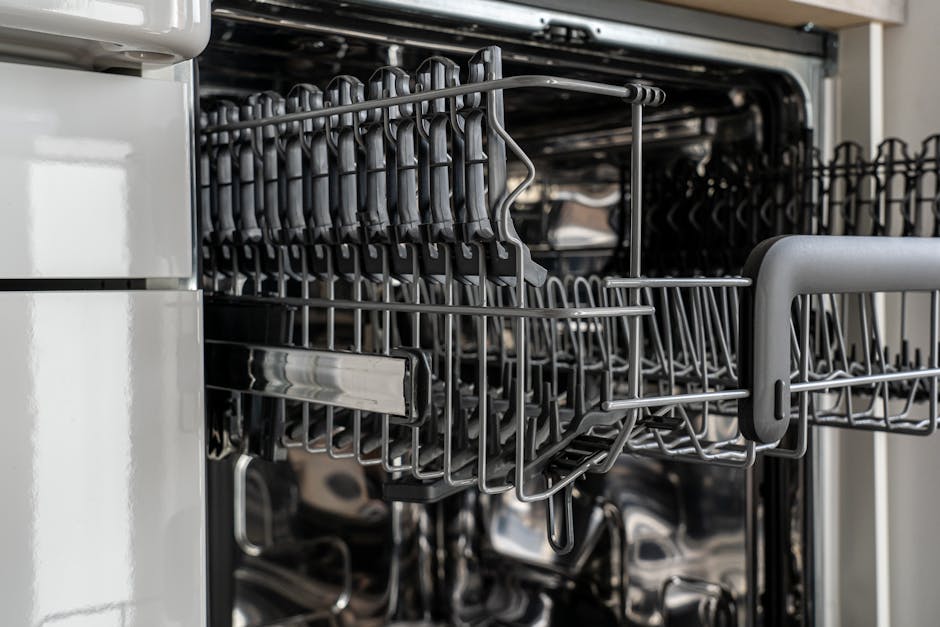
This systematic approach encouraged us to view household tasks as workflows to be optimized, not just chores to be endured. We continue to prioritize machines that reduce effort, whether it is the dishwasher, the automated coffee maker, or smart home systems that manage utilities. The fundamental goal remains the same: reducing the time required for maintenance to maximize time for leisure.
The Lasting Legacy in Our Living Spaces
The innovations born from mid-twentieth-century conflict continue to shape our daily experiences in subtle but profound ways. From the way we preserve food to the very materials that make up our furniture, we are surrounded by solutions that were originally designed for battlefield conditions. Recognizing these origins offers a new perspective on the everyday items we often ignore.
Every time you utilize these modern conveniences, you are interacting with engineering milestones that were accelerated by necessity. These tools have not only made life easier but have redefined the possibilities of household management. As we look forward, the focus remains on enhancing these foundational technologies to continue simplifying our lives.